
Moss Treatment vs High Pressure Cleaning
The Risks of High Pressure Roof Cleaning and a Safer Way to Remove Moss
Moss Roof Treatment generally does not recommend high-pressure cleaning as a method of removing moss, mould, and lichen from roofs, as the process can be more damaging than it may first appear.
High-pressure cleaning can operate at around 3,000-4,000 PSI, which is powerful enough to damage some roofing surfaces, coatings, and finishes. In many cases, it is best avoided unless the roof is being professionally prepared for repainting or restoration, such as on certain cement tiled or Colorbond roofs.
While pressure cleaning can create an immediate clean appearance, it does not necessarily treat the underlying moss, mould, and lichen spores. Spores can remain on the roof surface and begin to regrow again within a relatively short period of time.
Below are some of the common issues that can occur when high-pressure cleaning is used on roofs.
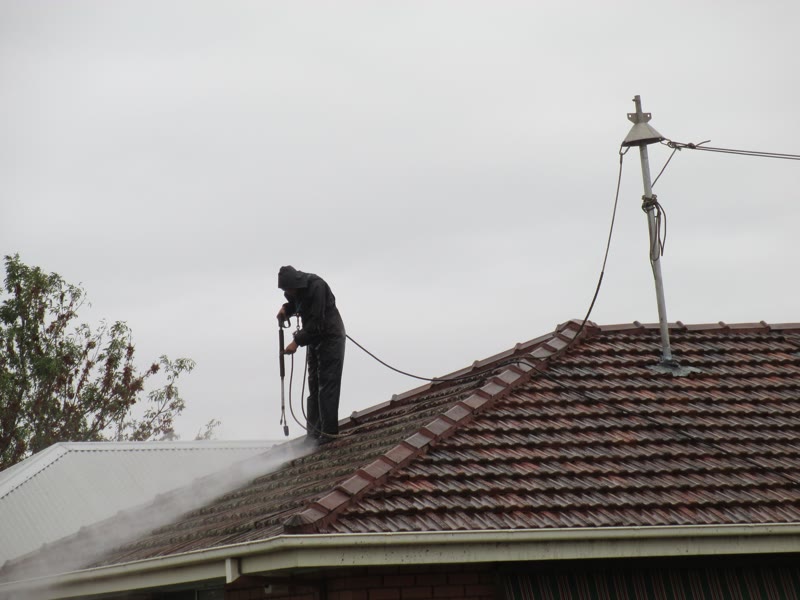
Pressure Cleaning Risks for Cement & Terracotta Tiled Roofs
Tiled roofs can experience the following issues when pressure cleaned:
-
Broken or Disturbed Tiles - High pressure can crack, shift, or loosen roof tiles.
-
Damaged Pointing - Ridge capping and pointing can be disturbed or blown away.
-
Water Entering the Roof - Pressurised water can be forced underneath tiles and into the roof space.
-
Ceiling Stains - Water entering the roof can lead to staining or water marks on internal ceilings.
-
Damaged Sarking - Torn or damaged sarking can allow water to pool and potentially cause leaks or ceiling stains.
-
Messy Clean-Up - Moss, dirt and debris can be blasted over gutters, walls, windows, neighbouring properties, and surrounding areas.
-
Costly Repairs - Damage caused during cleaning may require tiles, pointing or other roof components to be repaired.
-
Unnecessary Extra Work - What starts as a roof clean can quickly turn into a much larger repair job.
-
Paint & Colour Loss - High pressure can strip paint, coatings, and colour from the surface of roof tiles.
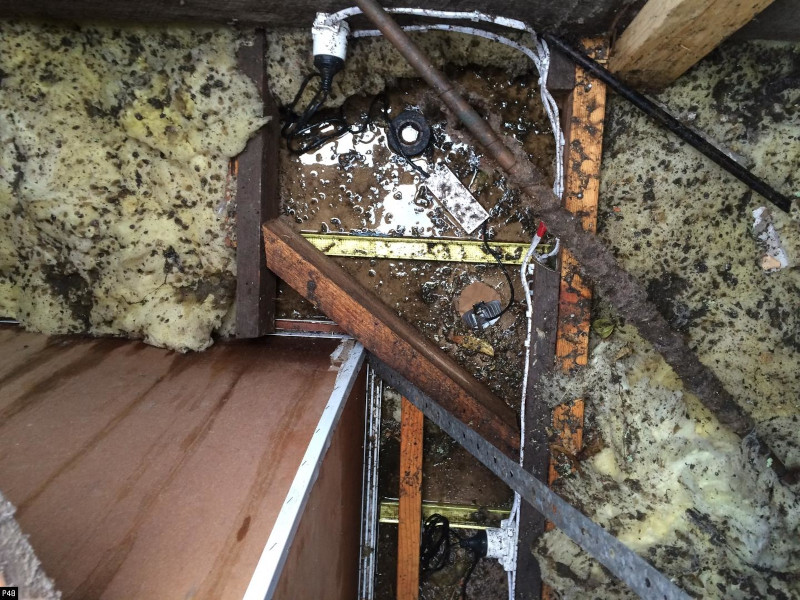
Water In Roof
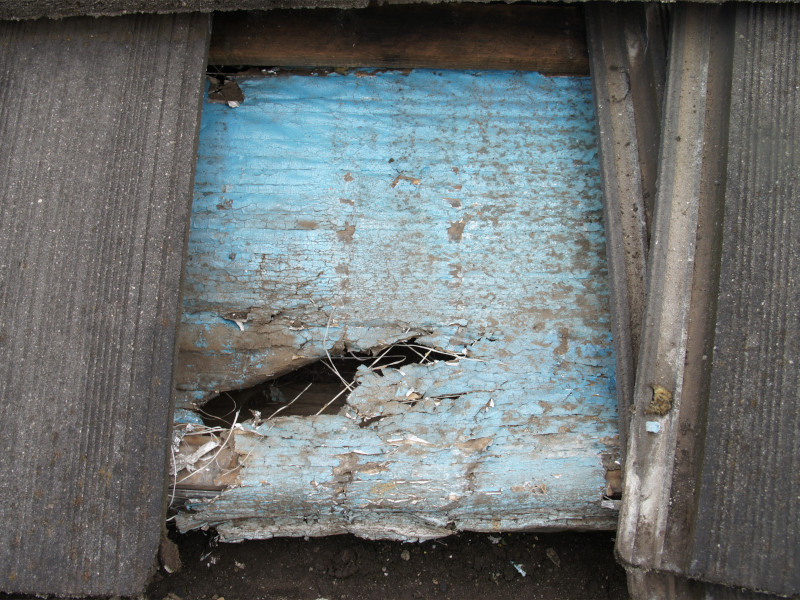
Ripped Sarking
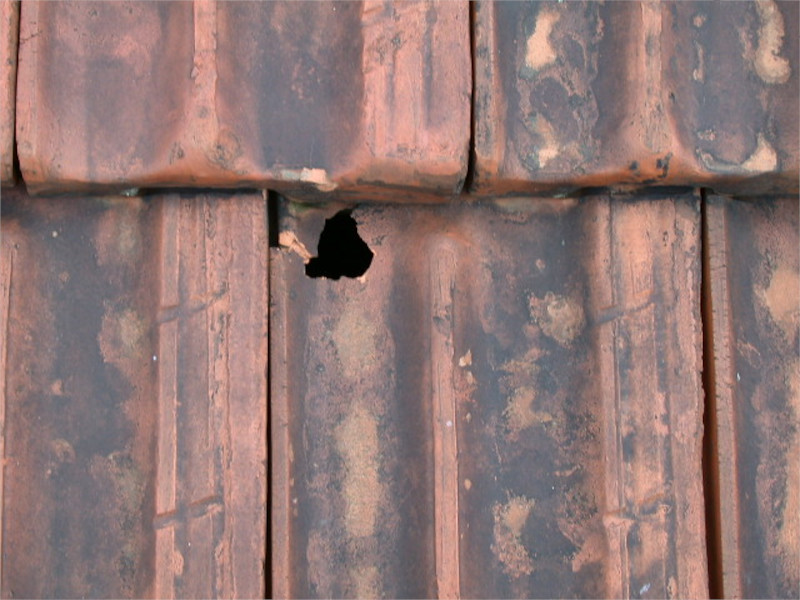
Broken Tiles
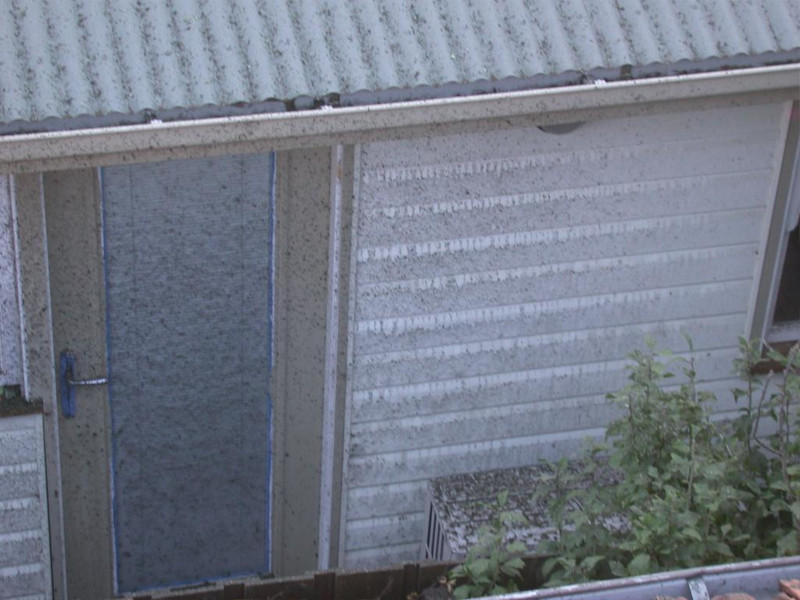
Messy Jobs
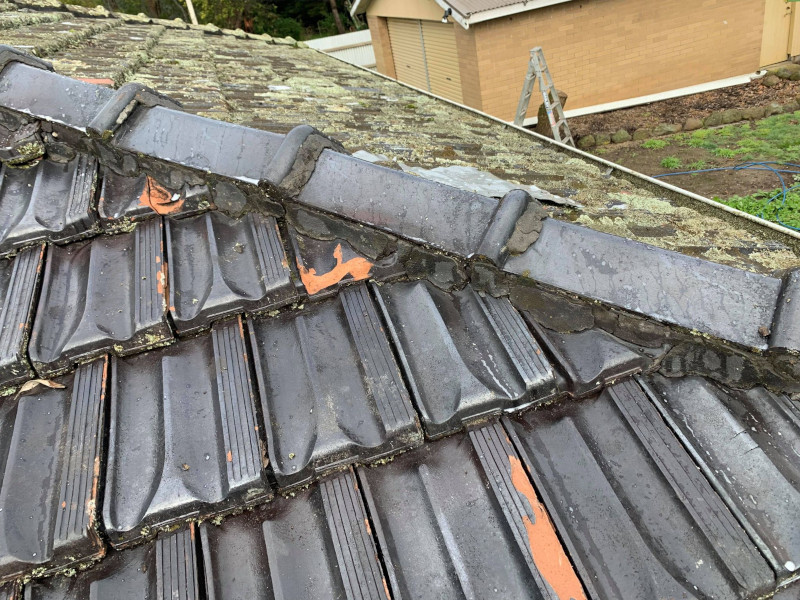
Wrecked Pointing
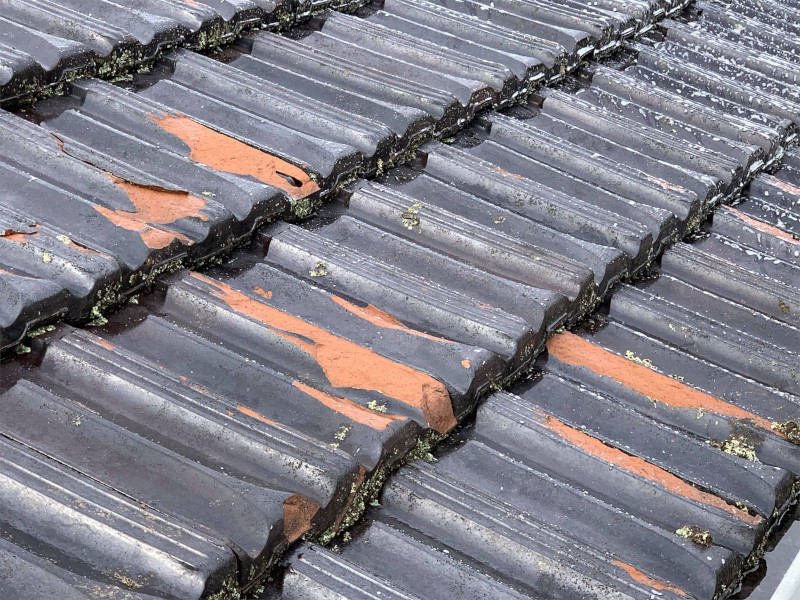
Damaged Tiles
Pressure Cleaning Risks for Iron & Colorbond Roofs
Iron and Colorbond roofs can experience the following issues when pressure cleaned:
-
Fading or Colour Loss - High pressure can dull or fade the colour of metal roof sheets.
-
Damage to Protective Coatings - Pressure cleaning can wear away or damage protective paint and powder-coated finishes.
-
Black Staining May Remain - Pressure cleaning may remove surface growth without fully removing stubborn black staining.
-
Premature Ageing of the Roof Surface - Removing or weakening protective coatings can leave the roof more exposed to weathering.
-
Faster Moss & Lichen Regrowth - A damaged or weathered surface can become rougher and provide a better surface for moss, mould, and lichen to return.
-
Water Forced Under Flashings or Sheets - High-pressure water can be driven into laps, joins, flashings, and other vulnerable areas.
-
Damage Around Screws & Seals - Pressure cleaning can disturb ageing washers, seals, and fixings, potentially increasing the risk of leaks.
-
Existing Rust Can Be Worsened - Areas where the coating is already damaged may become more exposed to moisture and corrosion.
-
Uneven Finish - Pressure cleaning can leave patchy areas where coatings have faded or worn differently across the roof.
-
Costly Repairs or Recoating - If protective finishes are damaged, sections of the roof may require repair, repainting, or recoating.
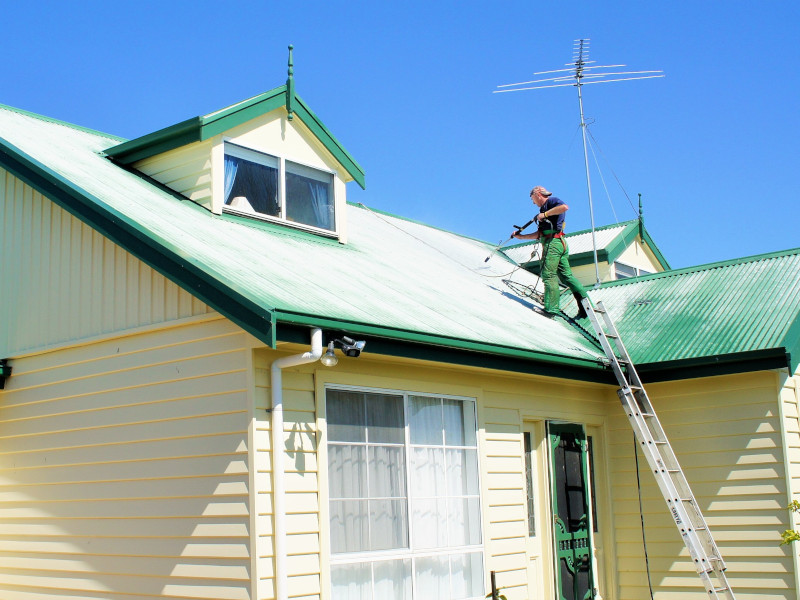
Removes Colour
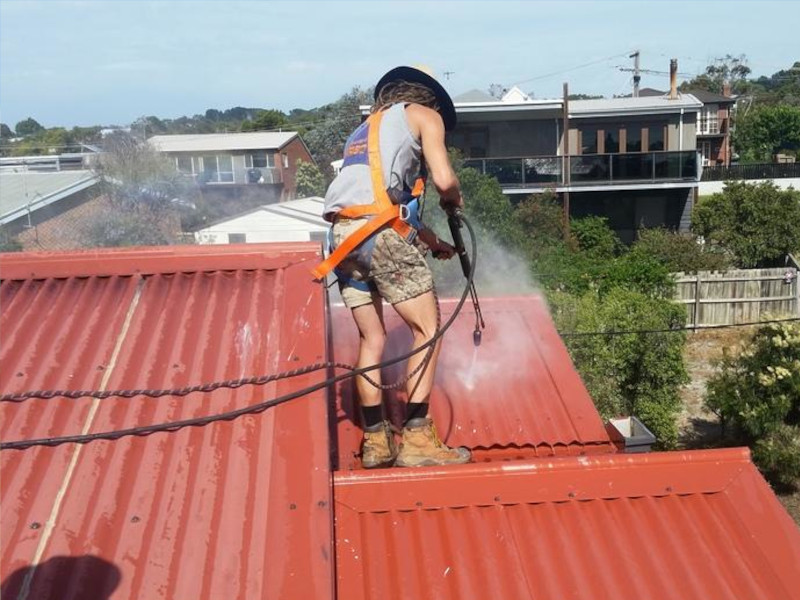
Removes Powder Coatings
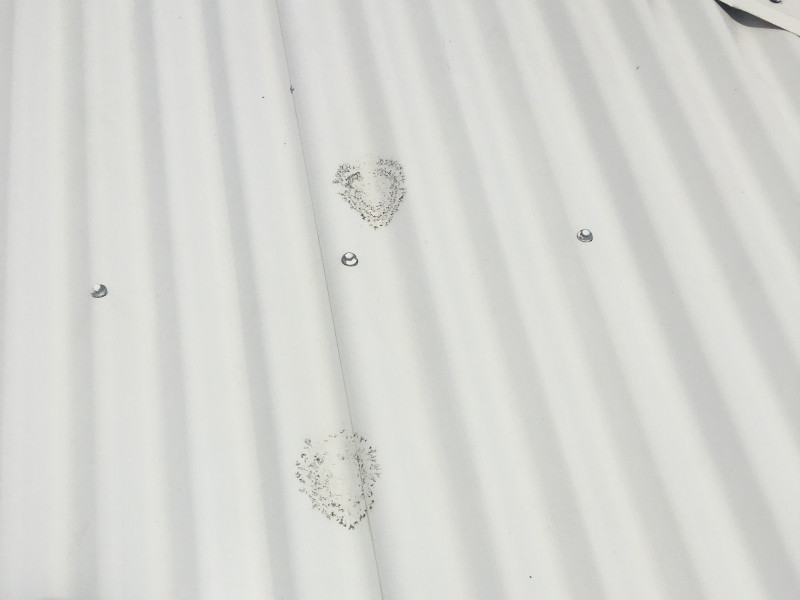
Leaves Visible Marks
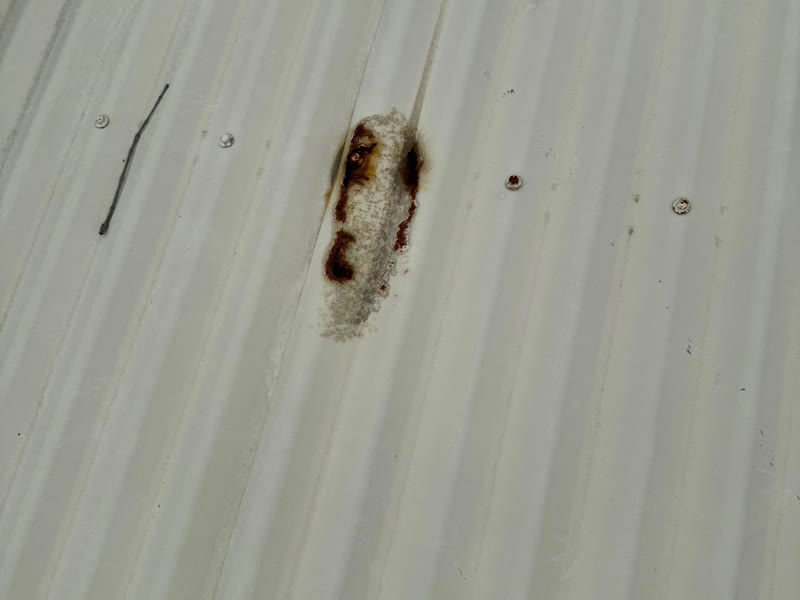
Existing rust can worsen
Other Surfaces That Can Be Damaged by Pressure Cleaning
Other roof surfaces can experience the following issues when pressure cleaned:
-
Damage to Laserlite & Polycarbonate Roofing Older or brittle sheets can crack, split or even develop holes under high-pressure water.
-
Slate Tiles Can Be Easily Damaged Slate is naturally brittle and can crack, chip or break if subjected to excessive pressure.
-
Water Can Be Forced Under Roofing Materials High-pressure water can enter beneath tiles, flashings, laps and roof joins.
-
Low-Pitched Roofs Are More Vulnerable to Water Entry Water can be driven back underneath tiles where the roof pitch provides less natural drainage.
-
Steep Roofs Are Difficult to Clean Safely Steeper roof pitches make pressure cleaning more difficult and increase the risk of slips and falls.
-
Roofs Become Extremely Slippery Water, moss, mould, and cleaning residue can create a very slippery working surface.
-
Increased Safety Risks Working at height while handling powerful pressure-cleaning equipment can be dangerous without the correct training and safety equipment.
-
Damage to Flashings & Seals High-pressure water can disturb ageing seals, flashings, and other vulnerable roof components.
-
Blocked Gutters & Downpipes Large amounts of dislodged moss, lichen and debris can collect in gutters and downpipes.
-
Mess Around the Property Debris and dirty water can be sprayed onto walls, windows, solar panels, paths, and neighbouring areas.
-
High Water Usage Pressure cleaning an entire roof can use a significant amount of water compared with a roof treatment process.
-
Hidden Damage May Become Worse Existing cracks, loose fixings or deteriorated roofing materials may be made worse during pressure cleaning.
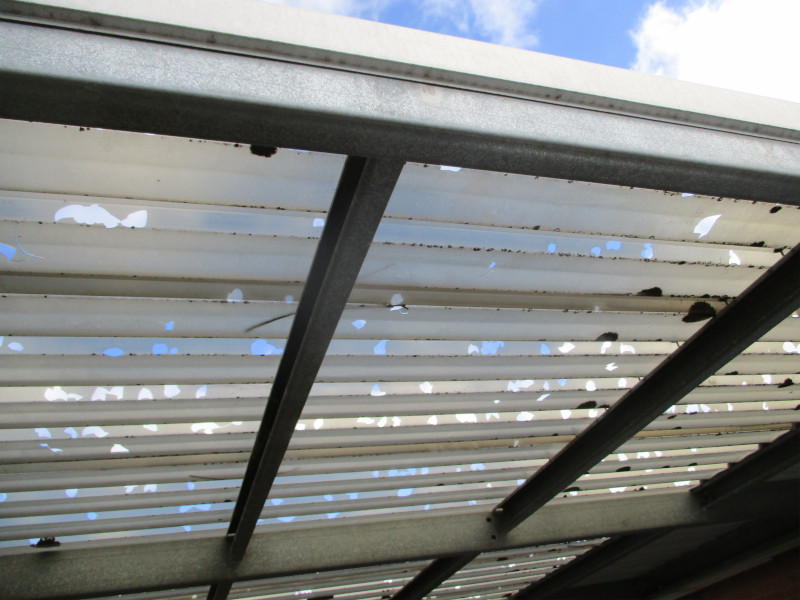
Holes in Laserlite
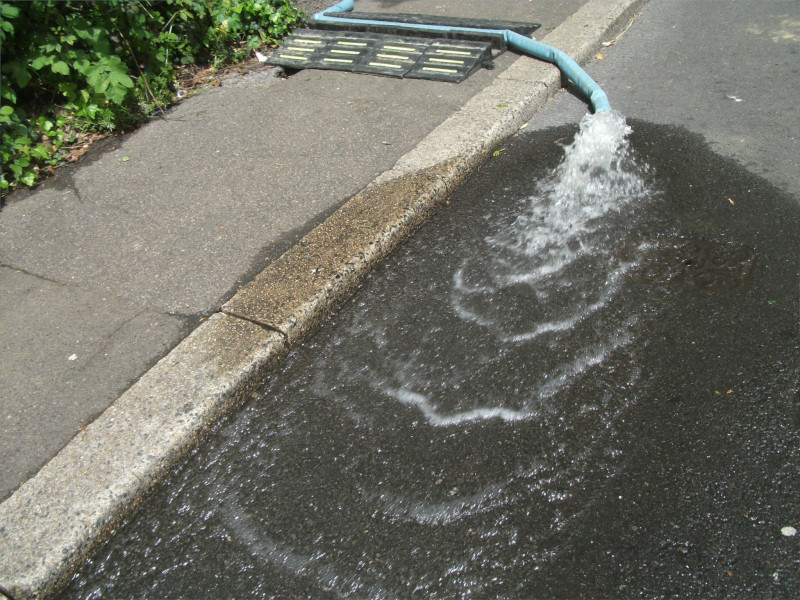
Wastes Water
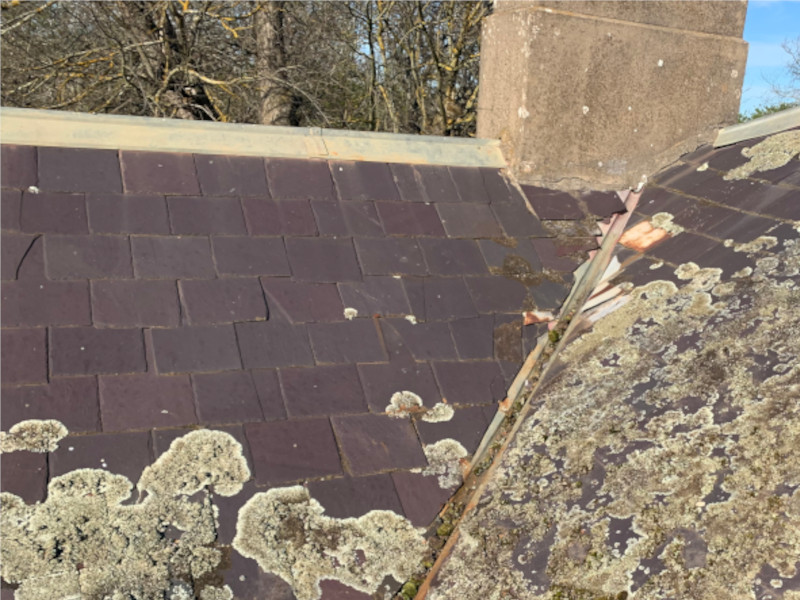
Can’t Pressure Wash Slate Tiles
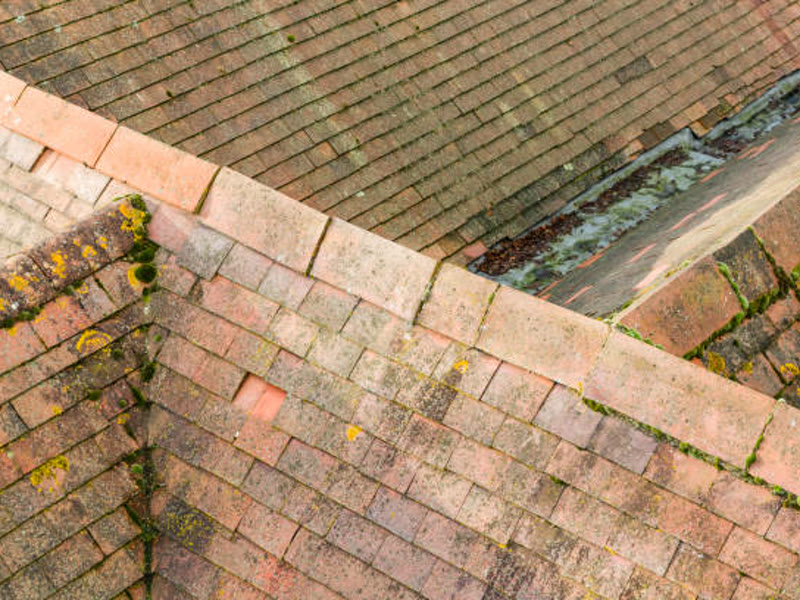
Steep Roofs Are Difficult to Pressure Clean
Moss Roof Treatment is for those who just want to keep their roof clean!